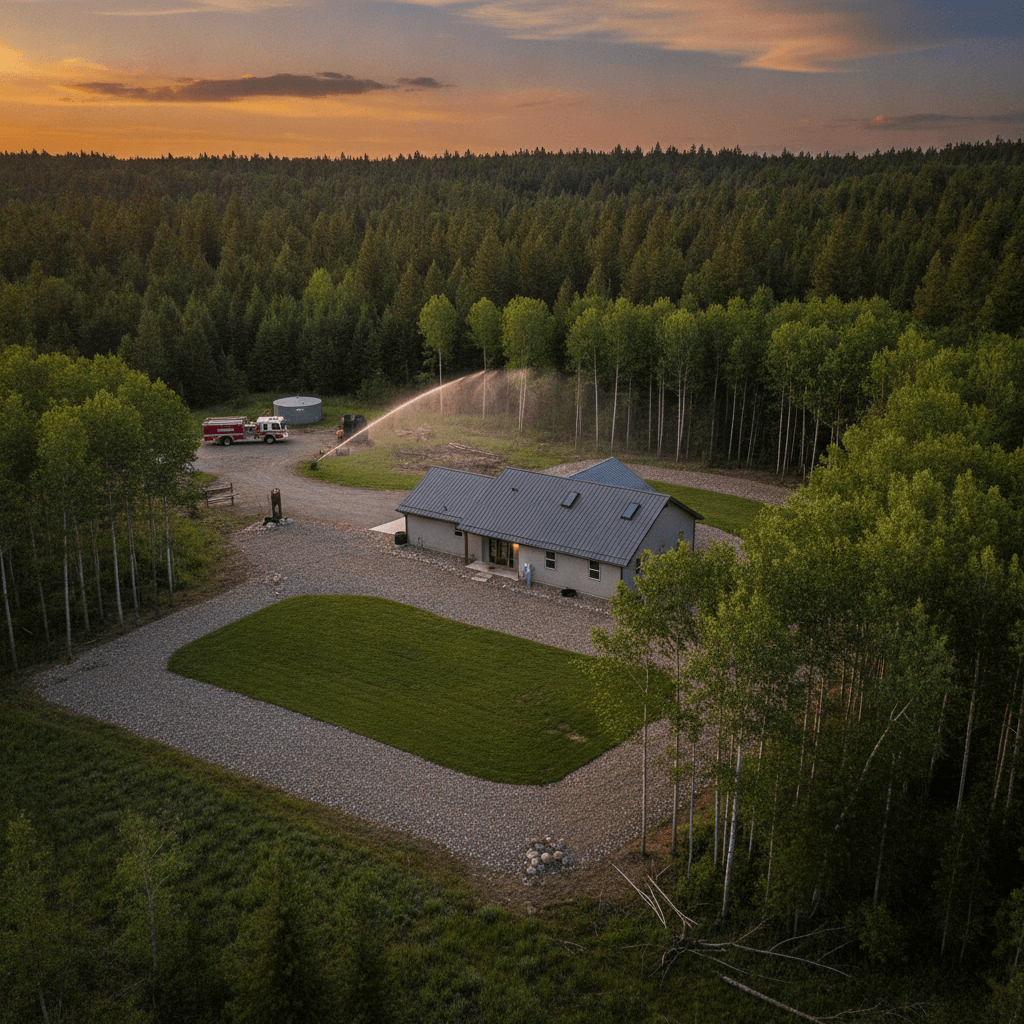
Living in a rural area offers peace and quiet, but it also comes with unique challenges. One of the biggest concerns for many rural homeowners is the increasing threat of wildfires. I have seen firsthand how quickly these fires can spread, turning beautiful landscapes into ashes and putting homes and lives in danger. It is not just about the large, devastating fires you see on the news. Even smaller, localized blazes can cause significant damage if a property is not properly prepared.
I believe that understanding and addressing the wildfire threat is a critical part of rural property ownership. Taking proactive steps can make a real difference, protecting your home and family. We need to think about defensible space, building materials, and emergency plans. These preparations are not complex, but they require consistent effort and a clear understanding of the risks involved.
Preparing your property is an ongoing process. It involves a combination of smart landscaping, home maintenance, and community awareness. My goal is to share practical insights that you can apply to your own property, helping you to feel safer and more secure against the destructive power of wildfires.
Creating a Defensible Space for Your Rural Home
Establishing a defensible space around your home is the most important step in mitigating wildfire risk. This means creating a zone where firefighters can safely work to protect your property, and where the fire’s intensity is reduced. I always recommend starting close to the house and working outwards, because the immediate vicinity is where the greatest protection is needed.
The first 5 feet directly around your home should be kept completely free of anything combustible. This includes woodpiles, dry leaves, and flammable plants. Think of this area as your immediate safety zone. It needs constant attention, so regular sweeping and clearing are essential. We want no fuel for a fire to catch right next to the house.
Beyond that initial 5 feet, the next 25-30 feet form a lean, clean, and green zone. Here, you should remove dead vegetation, thin out dense plants, and ensure any trees or shrubs are well-spaced. Grass should be kept short, ideally no more than 4 inches high. This zone helps to slow down an approaching fire and reduce flame heights, giving firefighters a better chance to intervene. It is a critical buffer zone.
Maintaining Your Defensible Space
Keeping your defensible space effective means routine maintenance. This is not a one-time job, but an ongoing commitment to safety. You should regularly prune tree branches that hang over your roof or are too close to power lines. Any dead branches or dry leaves should be cleared away immediately. I make sure to do a thorough check every spring and fall, but constant vigilance is key, especially during dry seasons.
Consider the types of plants you have in your landscaping. Some plants are more fire-resistant than others. I recommend choosing native, drought-tolerant species that do not accumulate a lot of dry material. Avoid planting highly flammable species near your home. Grouping plants by water needs also helps reduce overall dryness and fire risk. We need to think about both plant type and placement for optimal protection.
Hardening Your Home Against Ember Attack
Even with a well-maintained defensible space, embers can travel long distances and ignite parts of your home directly. These tiny, glowing pieces of burning material are a major cause of rural property loss during wildfires. I have seen homes spared from direct flames only to be destroyed by embers landing on vulnerable areas. This is why home hardening is so important.
Your roof is a primary target for embers. I always suggest using fire-resistant roofing materials like asphalt shingles, metal, or tile. If your roof is made of wood shakes or shingles, consider replacing them. Keeping your gutters clear of leaves and debris is another simple but effective step, because dry leaves in gutters are a perfect fuel for embers.
Windows and vents also present weak points. Single-pane windows can shatter from intense heat, allowing embers to enter your home. Upgrading to multi-pane or tempered glass windows provides better resistance. All vents, including those in the attic and crawl space, should have fine mesh screens, preferably 1/8-inch, to prevent embers from blowing inside. These small details can make a significant difference.
Protecting Decks and Exterior Materials
Decks are often attached to the home and can become a significant fuel source. I recommend clearing anything combustible from under and on your deck. This means no storage of firewood, furniture, or dry plant pots on or beneath the deck during high fire danger periods. Using fire-resistant decking materials can also greatly improve your home’s resilience. Wood plastic composites are a good choice.
The exterior siding of your home also matters. Materials like stucco, fiber cement, or brick offer better fire resistance than wood siding. If you have wood siding, regular maintenance such as painting and sealing can help, but it is still more vulnerable. I always stress the importance of thinking about every part of your home’s exterior as a potential entry point for fire.
Managing Vegetation on Your Rural Property
Beyond the immediate defensible space, managing the larger landscape of your rural property is crucial for mitigating wildfire threat mitigated for rural properties. This involves creating zones that further reduce fire intensity and spread. I often refer to this as fuel reduction, because we are essentially limiting what a fire has to burn.
Regular clearing of brush and dense undergrowth throughout your property is a must. This helps break up continuous fuel sources that fire can easily travel through. I find that a good way to approach this is by dividing the property into manageable sections and tackling one area at a time. It can feel overwhelming to clear a large parcel, but breaking it down makes it achievable. You can also implement controlled grazing with livestock in some areas to manage grasses and smaller shrubs.
Thinning out trees to create more space between crowns also helps prevent crown fires, which are extremely difficult to control. I aim for at least 10 feet of clear space between tree crowns, but more is better on sloped terrain or in very dense stands. Remove smaller, ladder fuels that can carry a ground fire up into the tree canopy. This makes the forest around your home more resistant to rapid fire spread.
Planning for Water Sources and Access
Adequate water sources and clear access roads are vital for both homeowners and firefighters. I always tell rural property owners to ensure they have an accessible water supply for firefighting. This could be a well, a large water storage tank, or even a natural pond. The key is that it should be readily available and easily accessible to fire apparatus.
Clear, wide driveways and access roads are also necessary for emergency vehicles. If your driveway is long and narrow, consider widening it and ensuring there is enough clear space overhead for fire trucks. Posting clear address signs visible from the road can also save precious time for emergency responders. Every minute counts when a wildfire is approaching, so good access and water can be life-saving.
Developing a Robust Emergency Action Plan
No matter how well you prepare your property, having a clear and practiced emergency action plan is non-negotiable. When a wildfire threatens, panic can set in, and clear thinking becomes difficult. I advocate for having a detailed plan that everyone in your household knows by heart. This reduces confusion and ensures a smoother, safer evacuation if it becomes necessary.
Your plan should include designated meeting points both near your home and further away, outside the fire zone. Practice evacuation routes and know alternative paths in case one is blocked. I keep a go-bag for each family member, including pets, packed with essentials like water, non-perishable food, medications, important documents, and a first-aid kit. These bags are stored in an easily accessible location, ready to grab at a moment’s notice.
Stay informed about local fire conditions and warnings. I monitor local news, weather reports, and emergency alerts. Many areas have reverse 911 systems or emergency alert apps that can provide critical, real-time information. Knowing when to evacuate is as important as knowing how to do it. Always follow the instructions of emergency services and evacuate early if advised.
Communication and Community Preparedness
Effective communication within your family and with your community is a key component of emergency preparedness. We should have a communication plan, so everyone knows who to contact and how to share information if cell service is down. I like to designate an out-of-state contact person who can act as a central point for messages.
Working with your neighbors and local fire department to develop community-wide wildfire protection strategies is also very beneficial. Neighborhoods that are prepared together are much more resilient. This can involve organizing community clean-up days, sharing resources, and establishing a neighborhood watch for fire hazards. When a whole community is involved, the collective safety increases significantly.
Choosing Fire-Resistant Materials for Construction and Repairs
The materials you use for your home’s construction and any repairs play a significant role in how well it withstands a wildfire. I always encourage homeowners to think about fire resistance when building or renovating. It is an investment that pays off in safety and peace of mind.
For roofing, non-combustible options like metal, tile, or composition shingles are far superior to wood shakes. Even if your current roof is not fire-resistant, you can plan for these materials during your next re-roofing project. The type of siding also matters. Materials like stucco, cement fiberboard, and brick are much harder for fire to ignite than traditional wood siding. These materials create a barrier that can prevent flames from reaching the interior of your home. It is about slowing down and stopping the fire’s progress.
When it comes to windows and doors, choose products with tempered glass or multiple panes. Embers can get trapped in small gaps, so sealing all exterior openings, including around pipes and wires, with fire-resistant caulking is a good practice. Garage doors should be solid core or metal and have proper weather stripping to prevent embers from entering. Thinking about these details can significantly increase your home’s chances of survival.
Regular Inspections and Preventative Measures
Preventing wildfires around your rural property is an ongoing task that requires regular checks and proactive measures. I make it a point to inspect my property thoroughly at least twice a year, and more often during dry periods. This allows me to catch potential hazards before they become serious threats. Small issues can quickly escalate in a wildfire situation.
I focus on clearing all gutters and roof surfaces of leaves, pine needles, and other debris. These can easily ignite from a wind-blown ember. It is also important to check under decks and in crawl spaces for any accumulated flammable materials. Cut back any tree branches that are within 10 feet of your chimney, roof, or power lines. I also make sure that my address numbers are clear and visible from the road for emergency services. This saves valuable time when every second counts.
Fire suppression tools on hand can make a big difference for small fires. I keep a shovel, rake, and a hose with good water pressure readily available. If you have an outdoor water source, make sure it is functional and easily accessible. Installing a back-up power source like a generator can also be wise, because power outages often happen during emergencies, impacting water pumps and communication devices. These preventative steps are a part of living responsibly in a rural setting.
Conclusion: Empowering Rural Homeowners Against Wildfire Threats
Living in a rural setting brings unique joys and challenges. The increasing reality of wildfire threats means we must be prepared and proactive. I have discussed how crucial it is to create a defensible space around your home, hardening its structure against embers, and managing the surrounding vegetation. Developing a robust emergency action plan and regularly inspecting your property for potential hazards are not just suggestions, but necessities. These steps are about empowering ourselves and our communities to stand strong against these natural disasters.
Every small action you take contributes to a larger shield of safety. From clearing dry brush to choosing fire-resistant building materials, each decision makes a difference. I believe that by working together and staying informed, rural homeowners can significantly reduce their risks and protect what matters most. Do not wait for a wildfire to be on your doorstep. Start preparing today, and encourage your neighbors to do the same.
Your safety and the protection of your home depend on these efforts. I urge you to review your property’s vulnerabilities, create a detailed emergency plan, and commit to ongoing maintenance. Let us build resilient communities, ensuring our rural properties remain safe havens for years to come. Take action now and secure your peace of mind.